(Hello Evie, hope you and Maisie are doing great. And your bf too. I have not memorised his name. If he wants people to remember his name, he should probably try being a dog.)
I sent my first ever book query to a literary agent on the 27th of April this year, nauseous with excitement and fear. I’d sent the manuscript to beta readers – friends and strangers – and actioned the earliest feedback through three rounds of edits. At the time, it was the best, cleanest manuscript I’d ever created, and I was pretty pleased with it. I’d also just turned 30. Time was flying by. I felt an urgent need to keep pace.
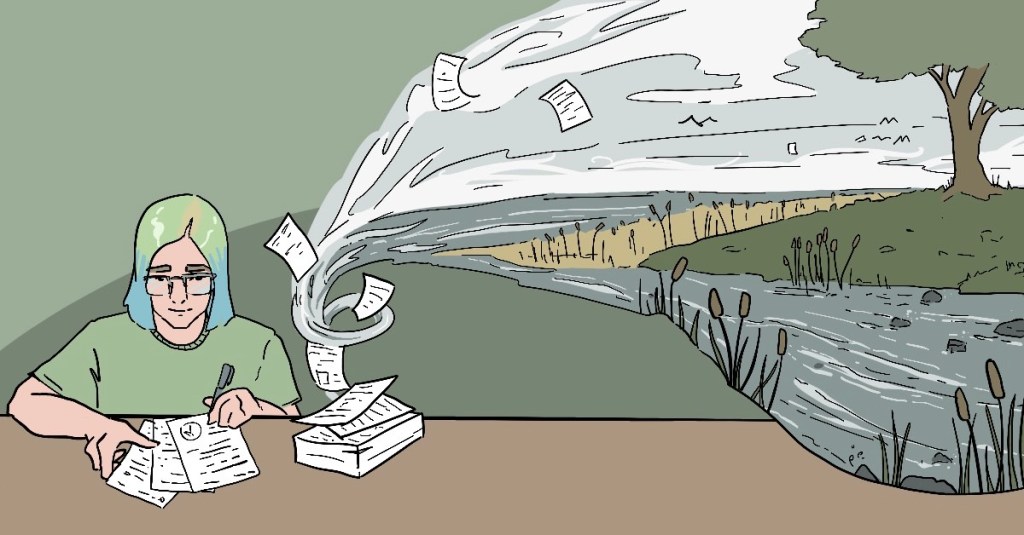
There were still flaws in the book – the pace could have been faster in the sample chapters, the protagonist less whiny, and the river mist described in fewer than 500 words I suppose. I didn’t want to think about these flaws, nor the equally obvious ones in the query letter, nor the bullet-point list of plot happenings I was attempting to pass off as a book synopsis through tactical removal of the bullets…
I decided that it was ready. After writing a book and then editing it a hundred million times, one tends to optimism. Or fuckit-ism, probably.
Reading is subjective, I told myself. Just because I personally wouldn’t subject myself to reading this ill-thought-out story driven by a protagonist with all the agency of the shell on a snail’s back, doesn’t mean someone else won’t love it! Right?
Eager to dip my toes in the water, I sent that travesty of a book query to all the top agents on my list. The fastest form rejection I got was only two hours after the query went out. Others filtered in weeks and months later, long after I’d written the book’s epitaph and gone through the five stages of grief over it.
Here lies Book 1, written and queried by a Grade B fool. Not even a Grade A fool. Kind of embarrassing, that. Like, if you’re going to be a fool at least be good at it, you know?
The book has since gone through several rounds of revision, but the longer I’ve worked on it, the more I fear I’m trying to put waterproof Spider-Man plasters on a broken leg. The issues are with plot, with character and with the overall realisation of the premise. All three. I really do love and believe in this story, and if I were to write it from scratch today I could do it 5x better. Honestly though, I’m still too sad about my lost friend to spend 4-5 months revivifying it when I have so many other projects to work on.
So was it a waste, or what?
Yes and no. I wasted my shot to match this book with most of my favourite uk agents, which is a shame because I do think the current version is far stronger. I also learnt a lot about putting together a decent query pack, and found friends and communities to share my work with and get valuable feedback.
I feel strongly that my next book will do better in the trenches, so I’d like to move on, but I keep getting drawn back by what-ifs. What if it’s good enough right now, after the extra revisions? What if I’m wasting all that extra work I put into improving the query package? What if my perfect agent is just one email away? I can’t let it go.
So I’m embalming the book: fixing up one last draft for the sake of burying it in a nice state. The bones are still broken, the spine a bit wonky and some organs are missing, but I’m dressing it up in its Friday-night best and patching over the wounds with polyfilla and paint. I have a really nice query package for it now, so I’ll send that out to the remainder of my would-love agent list.
And then I’m moving on. I have another complete book with problems similar to the first, which I wrote before learning from my mistakes. I’m benching that as well, although it has promise, and moving on to what I believe are two much stronger manuscripts in the making.
I’m sad, but I’m also amazed by how much I’ve learnt about the craft of writing and the process of querying. If you’d have asked me in January if I could write a better book than the one I had in my hand then, I would have said no. Now I know I can plot better, write better and edit better. That’s pretty amazing.
 Non Hughes
Leave a comment